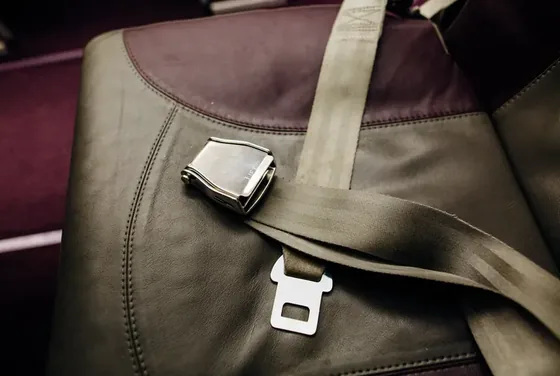
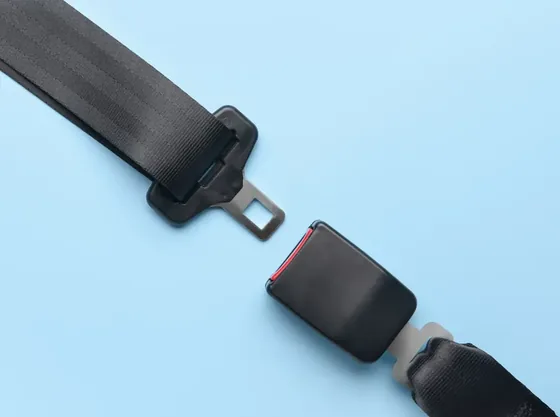
02
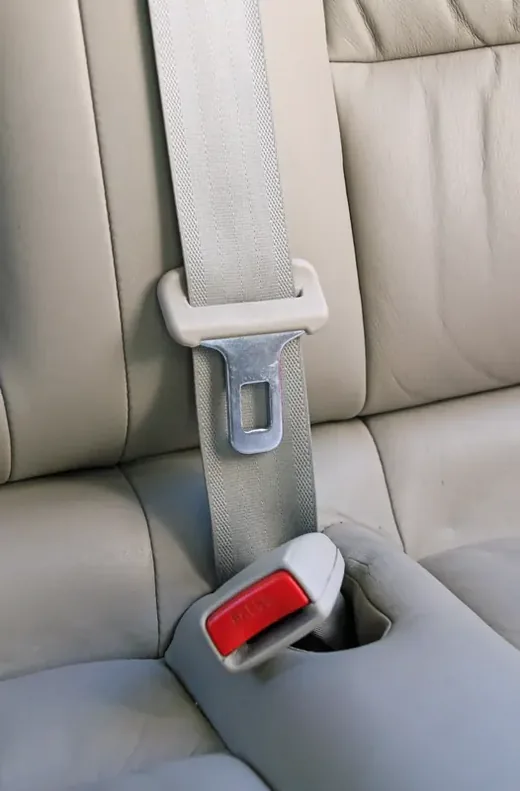
Three-Point Seat Belts
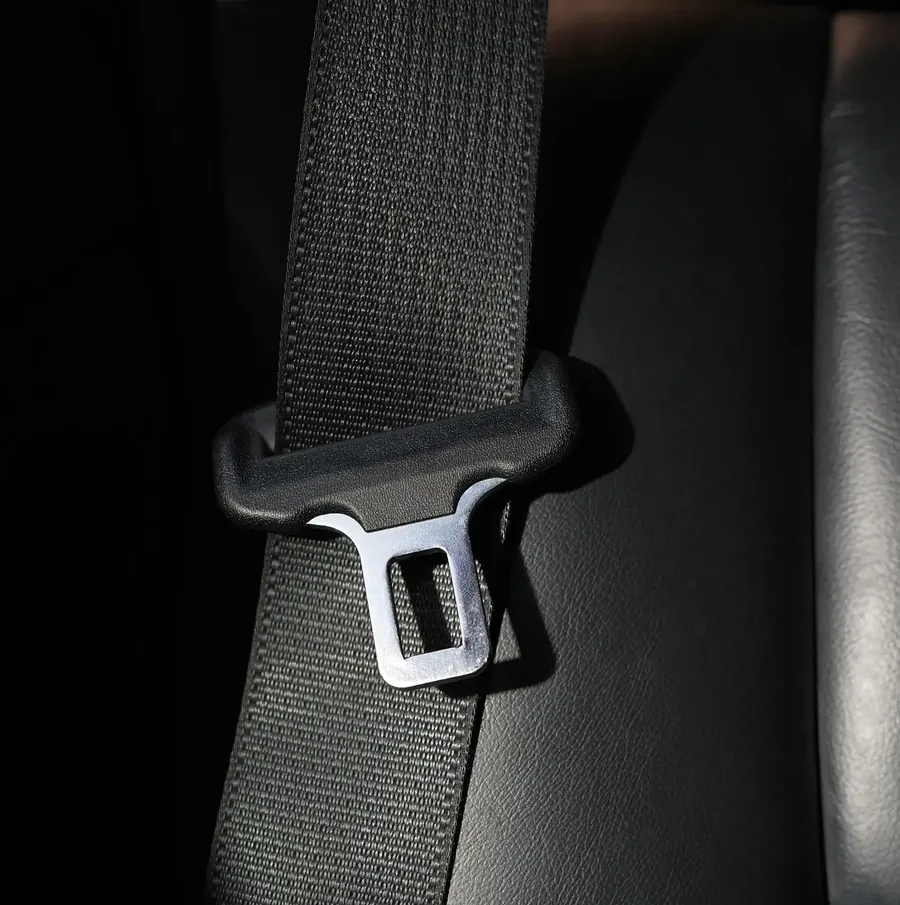
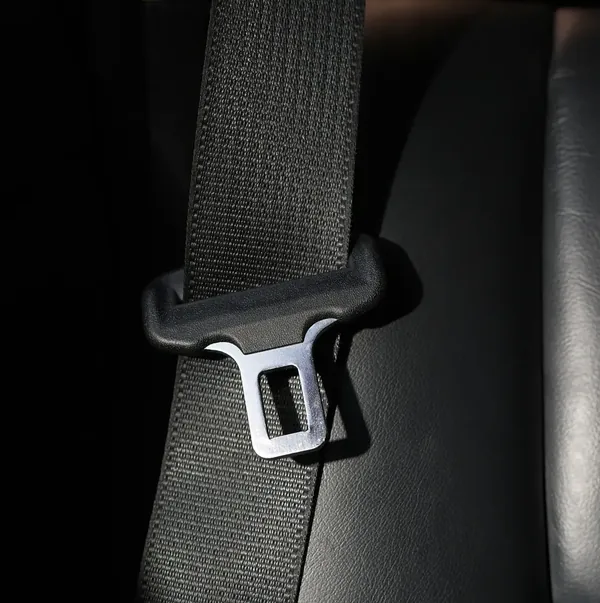
The familiar shoulder-and-lap arrangement used across most front and rear seating positions in modern passenger vehicles.
View detailsseatbeltdealer.com — Automotive restraint solutions
Seat Belt Dealer works with seat belt products and vehicle restraint requirements — from three-point and lap belts to retractable assemblies, buckles and related components. Tell us the vehicle and the seating position, and we will help you identify what fits the requirement.
§ 01 — Vehicle safety

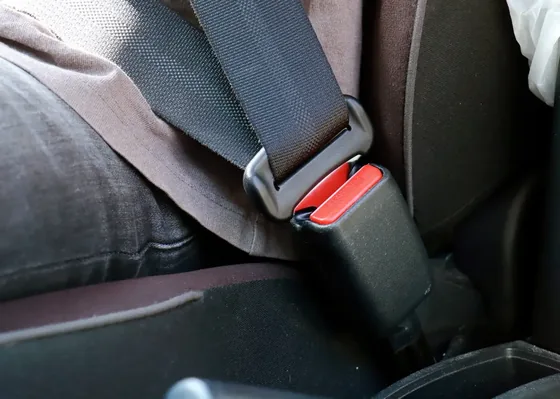
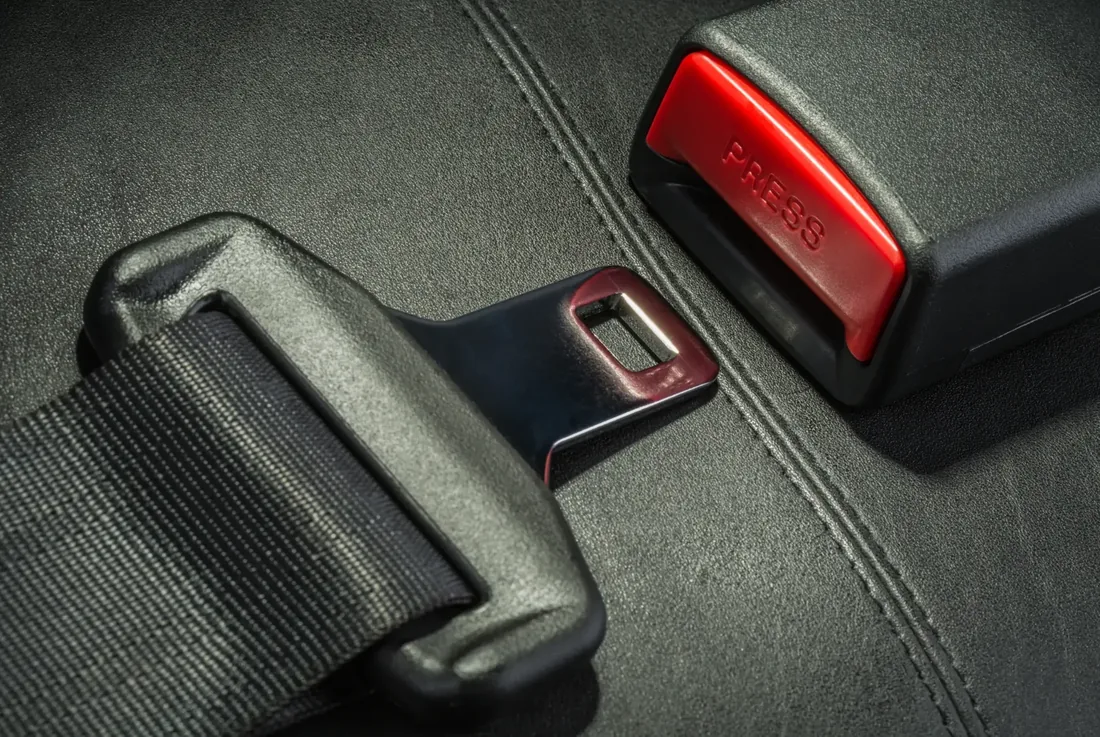
Restraint in use — belt routed across the chest and hips
A seat belt is part of a vehicle's occupant restraint system. Its purpose is to keep the person seated in position and to help manage the movement of the body during sudden braking or an impact. That job depends on more than the webbing alone — the retractor, the latch plate, the buckle receiver and the anchorage points all work together as one assembly.
Because those parts are engineered to work as a set, the correct product for one vehicle is not automatically correct for another. Belt length, mounting arrangement, retractor behaviour, connector type and the seating position it was designed for can all differ between makes, models and even model years.
This is why we work requirement-first. Rather than pointing you at a generic part, we start from the vehicle, the seating position and what the belt needs to do — and then look at which category of product is appropriate for that requirement.
§ 02 — How the parts relate
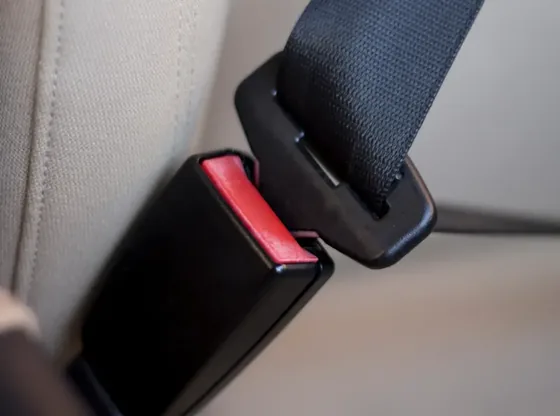
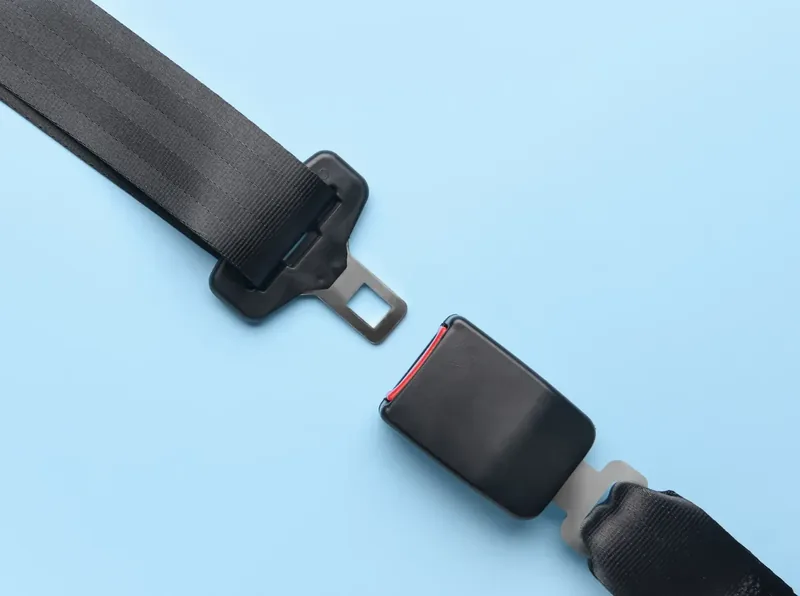
Knowing what to call each part makes an enquiry far quicker to answer. These are the elements people most often refer to when describing a seat belt requirement.
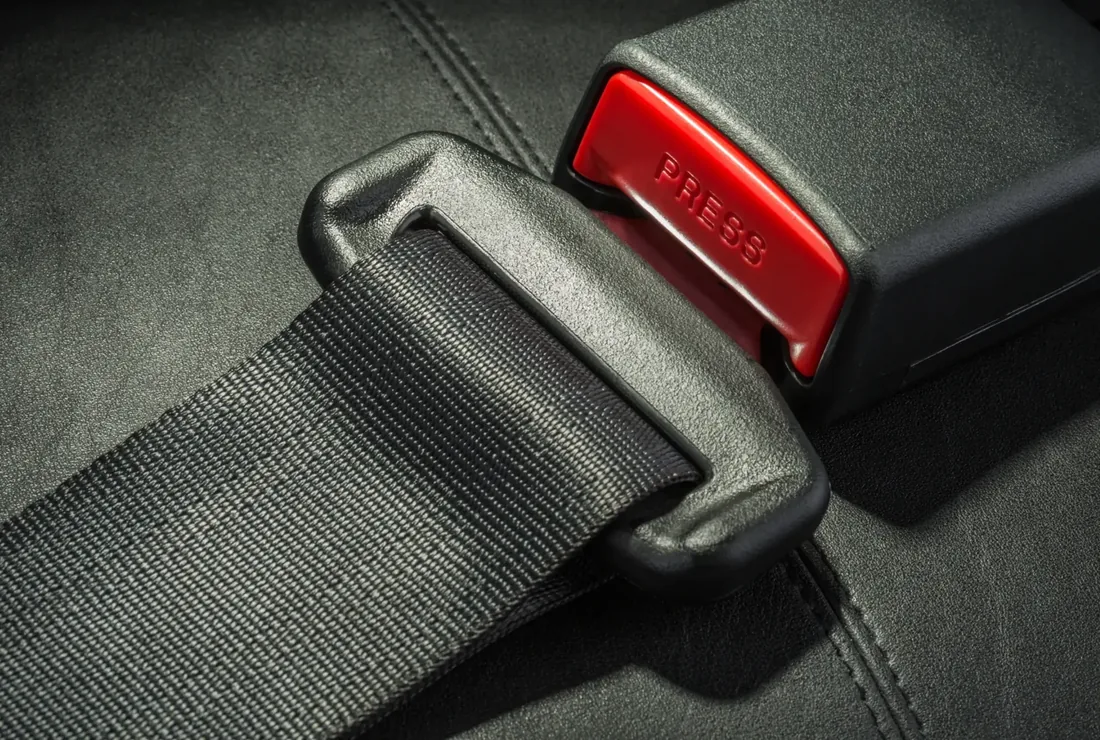
Describe what you can see — the vehicle, the seat, and whether the issue is with the belt, the buckle or the retractor. That is usually enough for us to point you to the right category.
Describe your requirement§ 03 — Product requirements
Seat belt requirements usually fall into a small number of recognisable categories. Start with the one that best describes what you are looking for — the detail page for each explains typical applications and what to check before enquiring.
The familiar shoulder-and-lap arrangement used across most front and rear seating positions in modern passenger vehicles.
View detailsThe general category covering seat belts fitted to cars and light vehicles — front and rear positions, original-style and replacement requirements alike.
View detailsBelts with a retractor unit that takes up slack and holds the webbing on a spool.
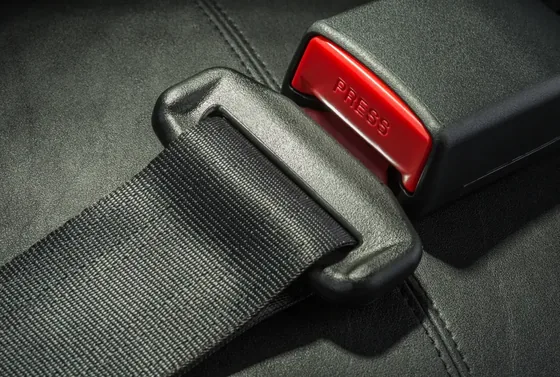
View detailsThe receiving half of the assembly, including the release mechanism and its stalk or mounting.
View detailsTwo-point belts used in centre seating positions and in certain utility, bus and industrial seats.
View detailsLatch plates, stalks, fittings and other items that form part of a complete assembly.
View detailsIf your requirement does not sit neatly in one of these categories, describe it and we will take a look.
§ 04 — Vehicle requirements
What a seat belt requirement looks like changes with how the vehicle is used. These are the situations we are asked about most often.
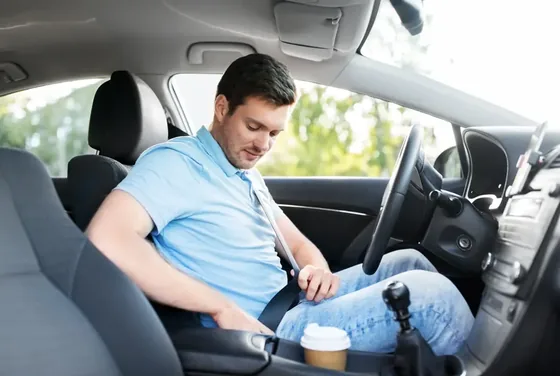
Cars, hatchbacks, sedans and SUVs, covering front and rear seating positions.
Read more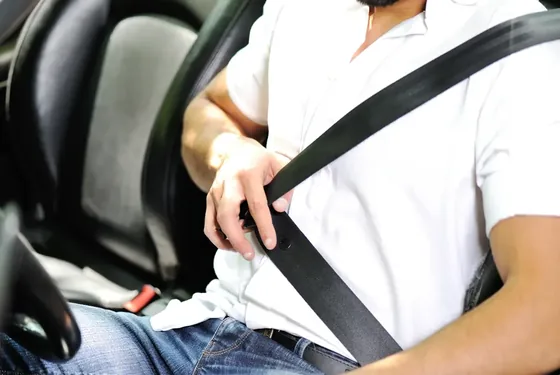
Light and heavy commercial cabs, where seats and mountings often differ from cars.
Read more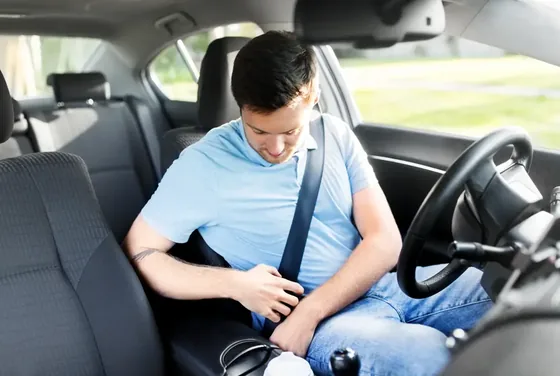
Operators maintaining several vehicles, often with repeat or bulk requirements.
Read more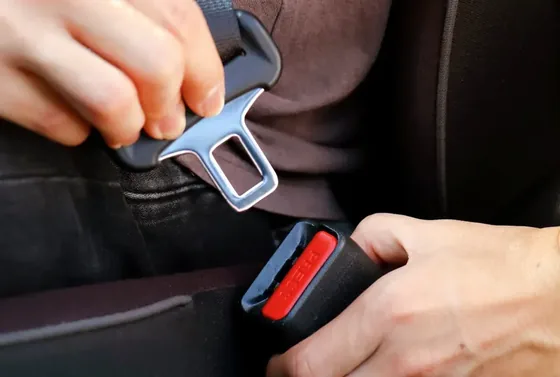
Where an existing belt, buckle or retractor needs to be matched and replaced.
Read moreScroll for more — or see all applications
§ 05 — Replacement requirements
Replacement is the most common reason people get in touch. The quickest route to the right answer is a clear description of the existing assembly and how it is mounted.
§ 06 — How we work
No inflated claims — just a straightforward, product-focused way of handling seat belt enquiries.
Our attention sits on seat belt products and the components that make up an assembly, rather than on a broad, unrelated catalogue.
We start from the vehicle, the seating position and what the belt has to do — then work towards the category of product that suits it.
Where something needs to be confirmed against the vehicle or checked by a qualified technician, we say so rather than guessing.
Passenger cars, commercial cabs, fleet operations and utility seating all bring different considerations. We ask the questions that separate them.
Enquiries reach us by phone or email and are answered by a person who reads the detail you have provided.
Multi-vehicle and repeat requirements are welcome — quantities and vehicle lists help us respond accurately.
§ 07 — Product selection process
What is the belt for, and what prompted the enquiry — a replacement, a missing part or a new fitment?
Vehicle make, model, year, body type and the seating position the belt serves.
Belt type, mounting arrangement and connector details are checked against the requirement.
Send the details through the form, by email or by phone, with photographs if you have them.
We respond with what suits the requirement and what still needs confirming before you proceed.
Enquiries
Send the vehicle details and a short description of what you need. If it is easier to explain by phone, call and we will take it from there.