Vehicle identity
Make, model, model year and body type. A registration or VIN, if you have it to hand, removes most ambiguity.
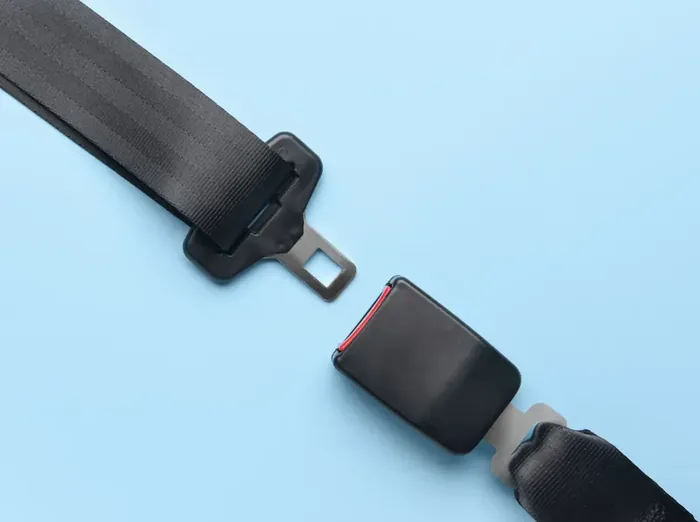
At a glance
| Category | Related seat belt components and fittings |
|---|---|
| Typical items | Latch plates, stalks, webbing guides, brackets and fixings |
| Used with | Three-point belts, lap belts and retractable assemblies |
| Best identified by | Photographs, measurements and any markings on the part |
| Enquiry basis | Vehicle details, seating position and the part being replaced |
| Before fitting | Match to the existing assembly confirmed against the vehicle |
Overview
Not every seat belt problem calls for a complete assembly. A worn latch plate, a damaged webbing guide, a missing fixing or a stalk that has come loose can often be addressed on its own — provided the replacement genuinely matches what is already there.
This category covers those parts. Because they are small and frequently unmarked, they are also the hardest to identify from a description alone, which makes photographs and measurements especially valuable here.
If it turns out the component cannot be matched, or the surrounding assembly is worn as well, we will say so rather than send something that only nearly fits.
Applications listed are typical examples. Suitability for any specific vehicle should be confirmed before fitting.
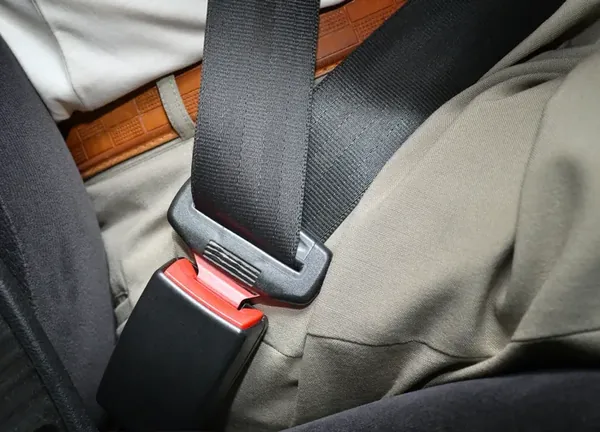
Components in service at the lap section of a fastened belt
Selection considerations
Before you enquire
The more of this you can supply, the more precise the answer — and the fewer rounds of questions it takes to get there.
Make, model, model year and body type. A registration or VIN, if you have it to hand, removes most ambiguity.
Front or rear, driver or passenger side, outboard or centre. Say which seat the belt serves.
The existing assembly, its mounting points and any markings on the parts. This is the single most useful thing you can send.
One seat, a full vehicle set, or a repeat requirement across several vehicles.
Enquiries
Send the vehicle details, the seating position and a photograph or two. We will come back with what suits the requirement and anything that still needs confirming.