Safety engineered into every journey
  1. Home
  2. Products

Product categories

Seat belt products, grouped the way requirements arrive

Six categories cover almost every seat belt enquiry we receive. Find the one that matches what you are describing, then open its page for typical applications and the details worth having ready before you enquire.

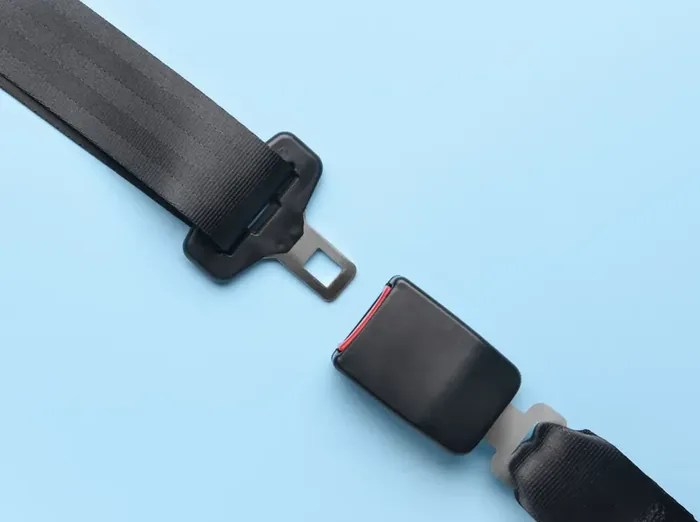
Seat belt assembly in detail — woven webbing, latch plate and buckle receiver with its release button.

Before you browse

Two questions settle most enquiries

The first is what kind of belt it is — a three-point belt with a shoulder strap, or a lap belt across the hips only. The second is which part is involved — the belt and its webbing, the buckle side that receives the latch plate, or a retractor unit that spools the webbing.

Answer those two and the category becomes obvious. Everything after that is vehicle detail: make, model, year, body type and the seating position the belt serves.

Read the full buying guide
Seat belt fastened across a seated occupant in a car, buckle and latch plate engaged.
01

Automotive Seat Belts

The broad category covering seat belts fitted to cars and light vehicles, front and rear. If you know you need "a seat belt" but not yet which type, start here.

  • Front and rear seating positions
  • Original-style and replacement requirements
  • Passenger cars, hatchbacks, sedans and SUVs
View category details
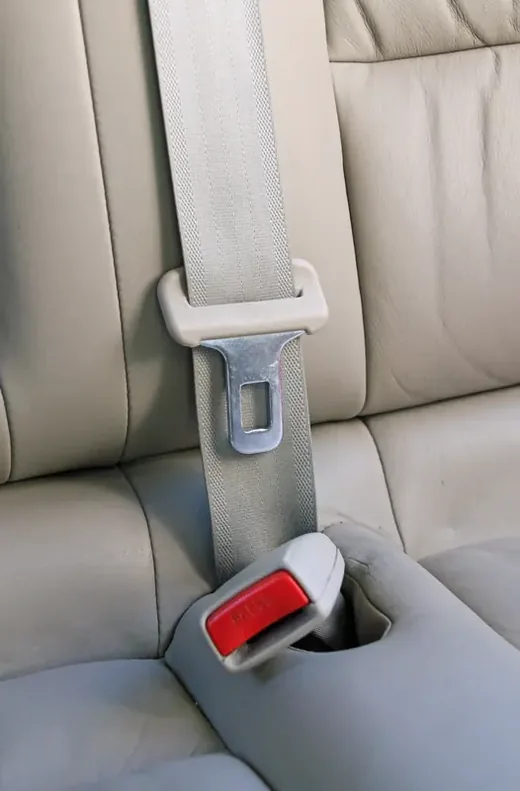
Three-point seat belt fastened on a light-coloured rear seat, shoulder strap and lap section visible.
02

Three-Point Seat Belts

The shoulder-and-lap arrangement found in most modern seating positions. The belt runs diagonally across the chest and then across the hips, anchored at three points.

  • Front outboard and rear outboard positions
  • Commonly supplied as a complete assembly
  • Anchorage arrangement varies between vehicles
View category details
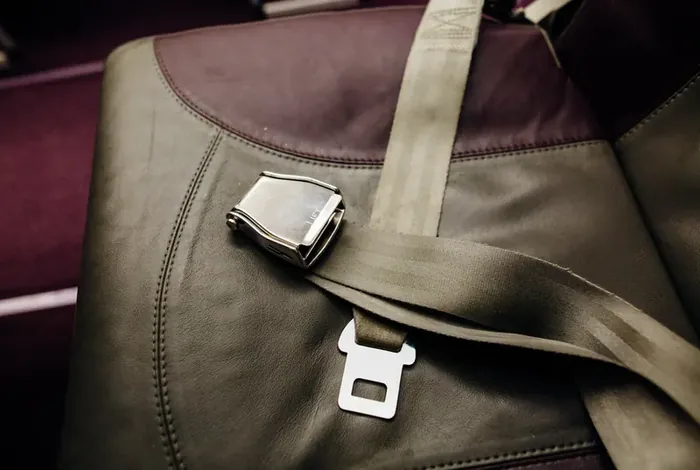
Lap belt with a metal lift-latch buckle resting across an olive-toned vehicle seat.
03

Lap Seat Belts

Two-point belts that pass across the hips only. Still used in centre seating positions and in a range of utility, bus and industrial seating arrangements.

  • Centre rear and bench seating positions
  • Utility, bus and industrial seat applications
  • Fixed-length and adjustable arrangements exist
View category details
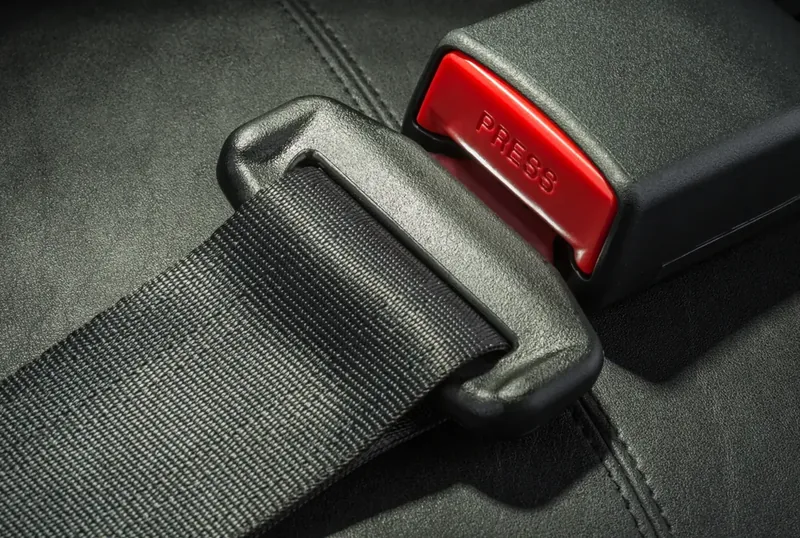
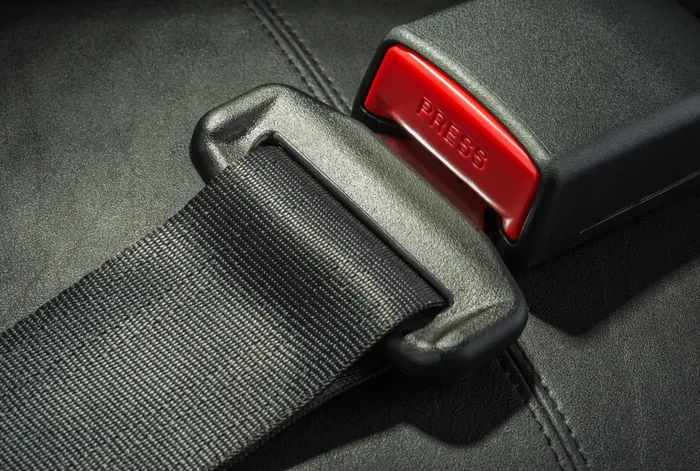
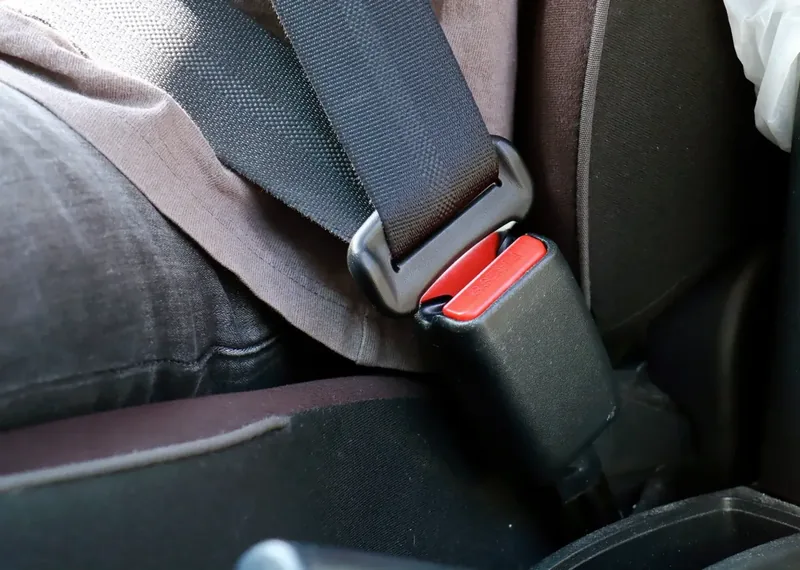
Seat belt webbing feeding into a buckle with a red release button on a dark vehicle seat.
04

Retractable Seat Belt Assemblies

Assemblies that include a retractor — the spool unit that takes up slack in the webbing and lets the belt extend as the occupant moves.

  • Retractor housing, webbing and latch plate as a set
  • Mounting orientation differs between vehicles
  • Often the category behind "the belt will not pull out"
View category details
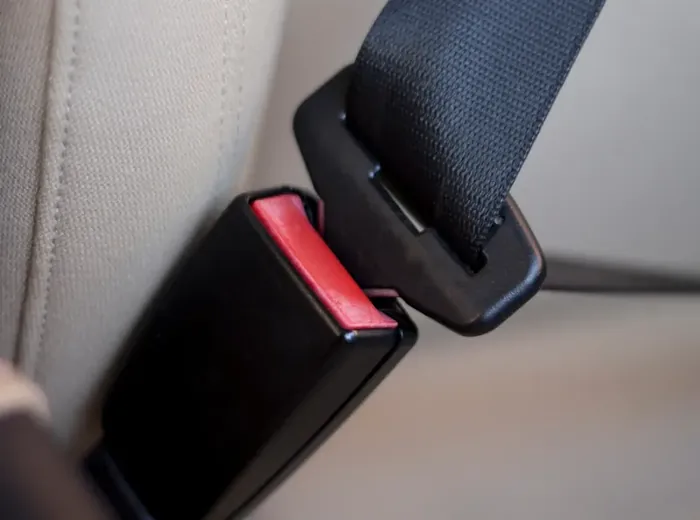
Close-up of a seat belt buckle receiver with its red release button beside the fastened belt.
05

Seat Belt Buckles & Receivers

The receiving half of the assembly — the housing the latch plate locks into, its release mechanism, and the stalk or bracket that mounts it to the seat or floor.

  • Buckle housing and release button
  • Stalk, webbing-stalk and rigid-bracket mountings
  • The usual answer to "the belt will not click in"
View category details
Seat belt webbing, latch plate and buckle shown separately against a plain background.
06

Related Seat Belt Components

The smaller items that complete an assembly — latch plates, stalks, guides, fittings and fixings. Often what is actually needed when only one part has failed.

  • Latch plates and webbing guides
  • Mounting fittings and fixings
  • Component-level enquiries where the belt itself is sound
View category details

Selection considerations

What shapes the answer, whichever category you pick

01

The vehicle itself

Make, model, year and body type. Two vehicles sharing a model name can differ across model years.

02

The seating position

Front outboard, front centre, rear outboard, rear centre or a bench position — each can take a different assembly.

03

The mounting arrangement

How the belt and buckle are anchored: to the seat frame, the floor, the pillar, or a combination.

04

The part that has failed

Webbing, latch plate, buckle receiver or retractor. Replacing the right part avoids replacing all of them.

05

Quantity

A single seat, a full vehicle set, or a repeat requirement across a fleet — say which, as it changes the response.

06

Confirmation before fitting

Suitability should be confirmed against the vehicle and, where relevant, by a qualified technician.
Enquiries

Tell us the vehicle and the seat

With the make, model, year and seating position, most enquiries can be pointed to the right category straight away.